
Last updated November 15, 2026
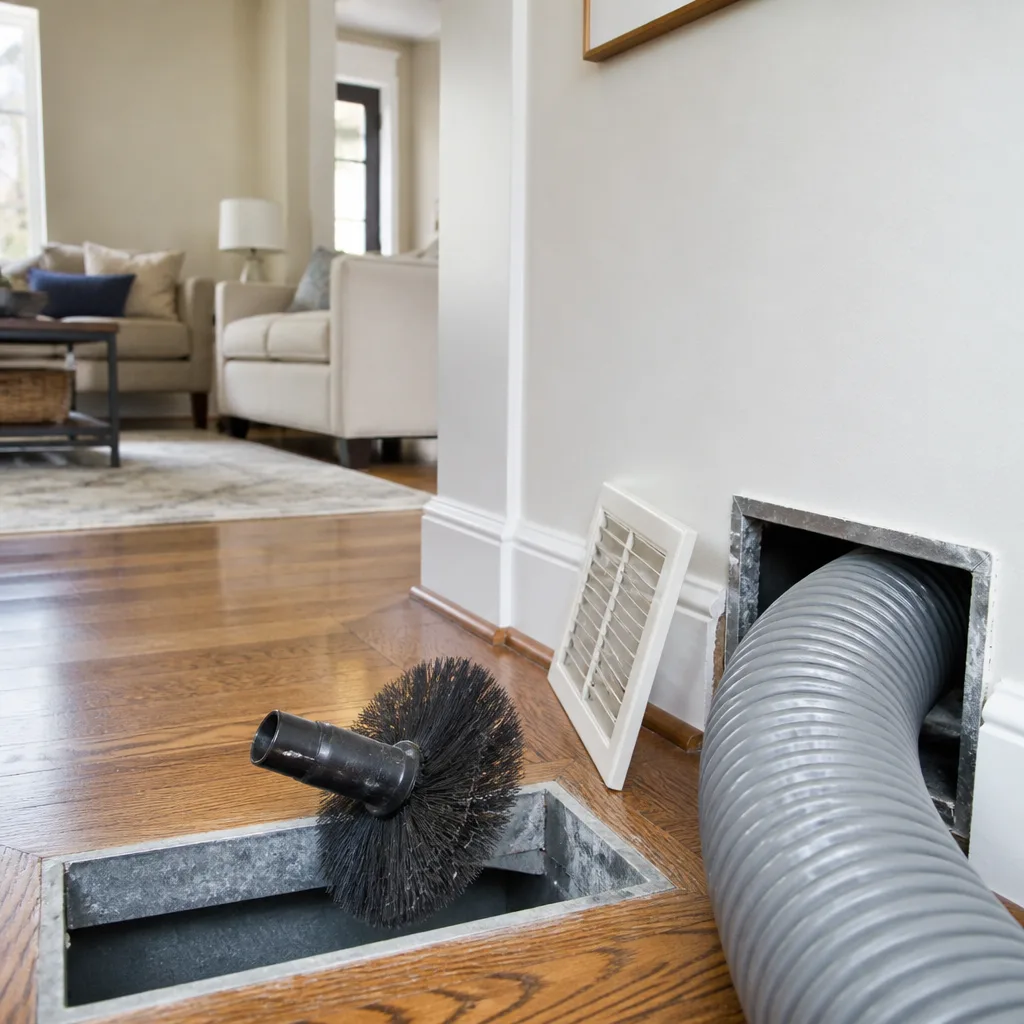 Whole-home duct cleaning
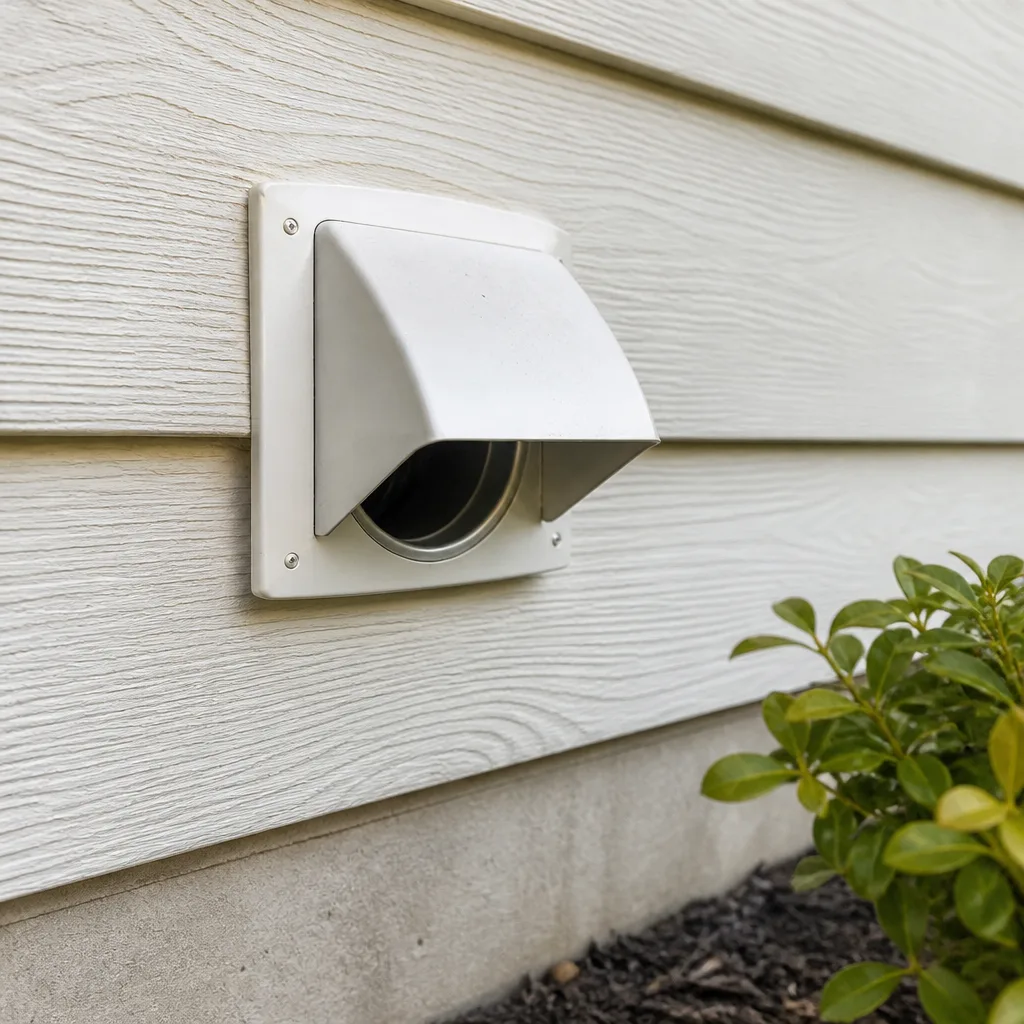 Dryer vent cleaning
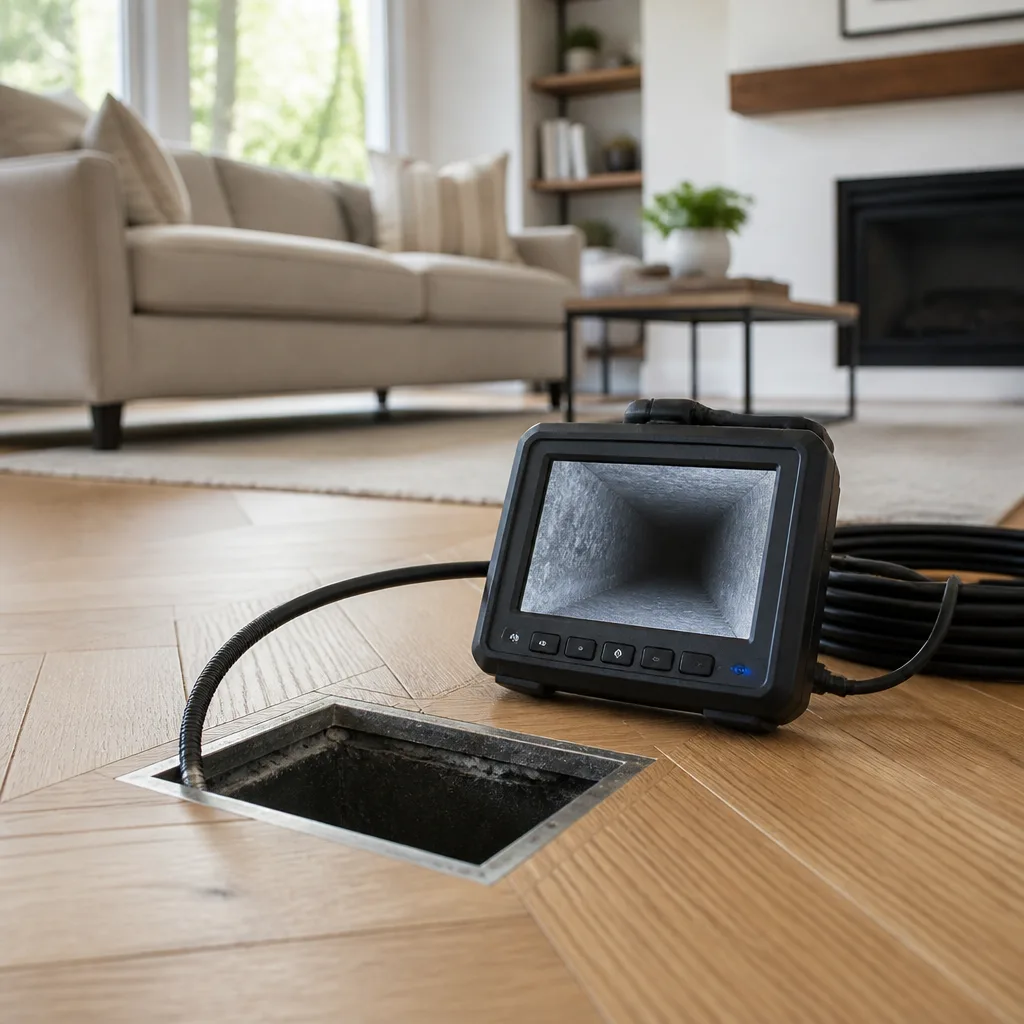 Camera inspection
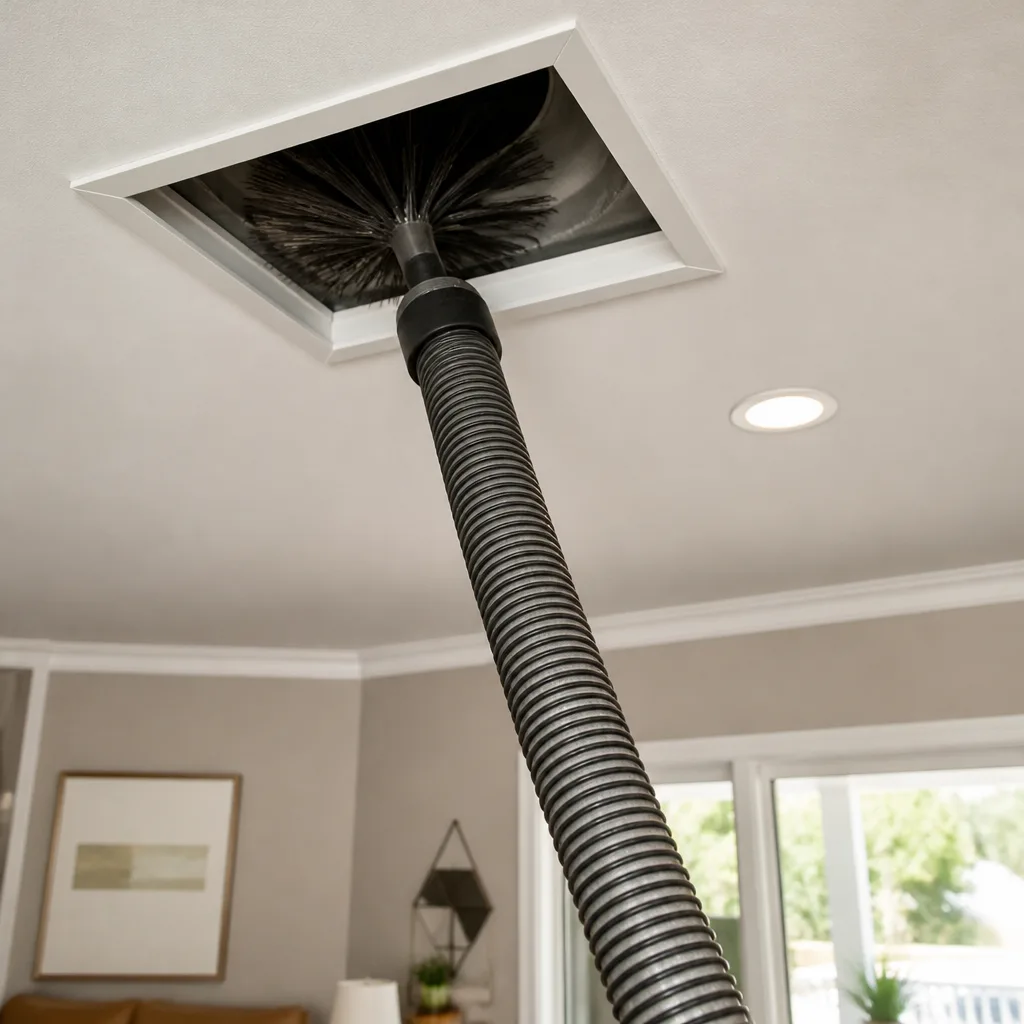 Sanitizing & deodorizing
Whole-system duct and dryer vent check with before-and-after photos - you see exactly what came out of your vents
That "$99 whole-house special" is a bait ad - the real number appears once they are in your hallway, or the "clean" is a shop-vac at the register. We photograph the inside of your ducts before and after instead.
Seasonal Air Duct Cleaning Care for Newport News: Year-Round Homeowner’s Guide
Most seasonal duct advice gets repeated everywhere: clean in spring, clean in fall, done. That guidance was written for places with long, gentle transitions between heating and cooling. Newport News doesn’t work that way. Here, spring arrives as a collision – pine pollen peaks while humidity is already climbing – and that’s the worst possible moment to have your duct system open and agitated. Summer then bakes that load into the system. What actually makes sense here is a narrower calendar, built around two specific windows and two seasonal switchovers. This guide lays out that calendar for Newport News homeowners, from filter swaps tied to the local pollen sequence to what to inspect after a tropical storm pushes moisture through the house.
Quick Answer
The best time to clean air ducts in Newport News is late October through November, after cooling season ends and before heating peaks, or late February before pine pollen loads the air. Summer cleaning risks stirring debris during peak humidity, and spring cleaning collides with the pollen season that caused the buildup. Filter changes follow a separate, tighter schedule driven by the local pollen calendar.
Styles & brands we work with
- Whole-home duct cleaning
- Dryer vent cleaning
- Camera inspection
- Sanitizing & deodorizing
Table of Contents
- Why Newport News Has Two Stress Seasons, Not Four
- The Two Practical Cleaning Windows
- What Summer Humidity Does to Uncleaned Ductwork
- The Newport News Filter Swap Schedule
- Post-Storm and Hurricane Duct Protocol
- Using Heating and Cooling Switchovers as Check Triggers
- When Cleaning Isn’t Enough: Duct Repair Signals
- Common Mistakes to Avoid
Why Newport News Has Two Stress Seasons, Not Four
Duct systems collect debris year-round, but the rate and character of that buildup depends on what’s happening outside. In Newport News, two periods do most of the loading: spring, when pine, oak, and grass pollen arrive in waves while humidity is already rising, and summer, when moisture hangs in the air for weeks and the air handler runs almost continuously. Those two periods account for most of what ends up settled in your ductwork.
The other two seasons – late fall and late winter – are short and relatively quiet. That’s not a coincidence. It’s why they’re the practical cleaning windows. Between the end of cooling season and the start of heavy heating, and again between winter’s end and the first pollen release, the air outside is mild, the system is running less, and the indoor environment is stable enough that you can open and service ductwork without immediately recontaminating it.
Three local factors make this pattern more pronounced than in other parts of Virginia:
- Pine pollen is heavy and early. Pine releases in March, ahead of most other trees. Those yellow-green coatings on cars and porches in Newport News are the same material pulling through return-air grilles and filters.
- Humidity arrives before cooling season officially starts. The stretch where outdoor air is warm and damp but the AC hasn’t hit full summer runtime is short. Duct systems that have absorbed moisture during that transition don’t dry out quickly.
- Fall is mild, not cold. That means the window between cooling and heating is wide enough to actually schedule work without disruption – and wide enough that a cleaned system stays clean going into winter.
If you’re trying to think through the timing for your own home, the air duct cleaning page lays out what a full-service appointment involves, so you can plan around it.
The Two Practical Cleaning Windows
If you want a single recommendation, it’s this: schedule cleaning in late October through November, or in late February. Those are the two periods when cleaning produces the longest-lasting result and the least disruption to the way your system is running.
Window 1: Late October through November
By late October, cooling season is winding down across Newport News. The air handler is running less, the system has finished pushing summer pollen and moisture through, and heating hasn’t ramped up yet. Cleaning now accomplishes four things at once:
- Removes the debris accumulated over spring and summer before it sits through the heating season.
- Clears pollen and biological material that would otherwise get pushed into living spaces once the furnace starts running regularly.
- Allows time for any duct repairs to be completed before heating season demands full airflow.
- Gives the system a clean start before winter, when windows stay shut and indoor air recirculates more.
Window 2: Late February
The second window is narrow – roughly the last two weeks of February, before pine pollen starts in March. Cleaning here catches whatever settled during the heating months and resets the system before the spring loading begins. It’s a good option if you missed the fall window, or if your home runs a heat pump that’s been cycling heavily all winter.
What to avoid: cleaning in March through May. That’s peak pollen, and opening ductwork during heavy pollen release means recontamination within days. Commercial-grade equipment – rotary brushes and HEPA-rated vacuums – can get a system clean, but the outside air is still loading it while the work happens. Waiting four weeks makes a difference you can actually measure at the filter.
What Summer Humidity Does to Uncleaned Ductwork
Newport News summers are humid, and that matters more for ductwork than most homeowners realize. When the air handler runs, cool air moves through the ducts and the duct surface stays below the ambient dew point. In a clean, well-sealed system, condensation is minor and drains or evaporates. In a dirty system, it doesn’t.
Here’s the sequence that plays out in an uncleaned system over a typical summer:
- Debris accumulates on duct interior surfaces. Dust, pollen, and skin cells settle and form a textured layer that holds moisture far better than smooth sheet metal or clean flex liner.
- Condensation collects in damp debris rather than draining. The moisture sits in the debris layer rather than evaporating between cycles.
- Biological growth begins on that damp surface. Once a surface stays damp for extended periods, mold and mildew have the conditions they need. Growth timelines vary with temperature and moisture, but in a humid Newport News summer the conditions arrive early and stay late.
- Growth releases spores into the airstream. Every time the system runs, spores and fine debris get carried into living spaces. That’s what shows up as a musty smell when the AC first kicks on.
- Airflow drops as the debris layer thickens. The system works harder to move the same volume of air, and rooms get harder to cool evenly.
This is why we treat summer cleaning as a diagnostic rather than a routine. If the system is already carrying moisture problems in August, cleaning alone won’t solve it – the underlying cause is often a duct that’s unsealed, disconnected, or running through unconditioned space. That’s where a repair visit matters. Diagnosing and fixing compromised ductwork in the same visit is a big part of what Denali Air Duct Cleaning does, so the cleaning and the fix don’t get separated by weeks of scheduling.
Negative-air containment matters in this context, too. When a system with moisture and growth issues is disturbed during cleaning, controlling where the dislodged material goes is not optional. Abatement Technologies negative-air equipment is the same class of machinery used in professional remediation work, and running it during a cleaning keeps the debris out of the living space instead of recirculating it.
The Newport News Filter Swap Schedule
Duct cleaning handles what’s already in the system. Filter changes handle what’s coming in. The two need separate calendars, because Newport News’s pollen sequence is specific enough that a generic “change it every three months” advice mis-times the critical swaps.
Here’s the schedule that matches the local pollen calendar:
- February (late): Fresh filter before pine season. This swap matters most of the year – a clean filter going into March catches the pine load instead of bypassing it.
- Early April: Swap again as pine winds down and oak and grass pollen begin. April and May are the heaviest pollen months for Newport News homes after pine. A filter loaded with pine can’t capture oak.
- Late May: Last swap before summer humidity. A fresh filter going into cooling season captures fine particles more efficiently and keeps pressure drop across the filter low.
- August: Ragweed season in this region runs roughly August through September. A swap before ragweed keeps the filter efficient through the fall allergy window.
- November: Final swap before heating season. This aligns with the fall cleaning window – if ducts are cleaned in late October or November, this is the filter that goes in behind the cleaning.
If you use pleated filters with a MERV rating suited to your system, note that not every air handler is built for the highest-MERV filter available. A filter that’s too restrictive can strain the blower and cut airflow. The right MERV depends on your system, so it’s worth confirming before you buy a multi-pack. Homes in neighborhoods near mature trees (say, the older sections of Hilton and Riverside) often benefit from more frequent swaps during peak pollen than the schedule above suggests. If your home sits downwind of pine-heavy tree cover, the February and April swaps are the two that matter most.
Post-Storm and Hurricane Duct Protocol
Newport News sits in a region where tropical systems and strong summer storms are a real possibility during hurricane season, roughly June through November. The good news is that duct systems usually come through these events fine. The bad news is that the events that do cause problems tend to do it in ways homeowners don’t think to check.
What to inspect after a moisture event, in order:
- Check for visible water intrusion in ductwork. Look at accessible sections of duct, especially in the attic, garage, and crawlspace areas. Standing water or soaked insulation inside or around the duct is a repair-level problem, not a cleaning one.
- Check insulation around the ducts. Wet insulation loses most of its insulating value and stays damp – the conditions for biological growth, even after the visible water is gone.
- Check for disconnected or displaced duct sections. Wind-driven pressure changes and debris impact can loosen joints, especially at flex duct connections. A separated joint means the system is pulling air from wherever the gap is.
- Run the system and check for musty odors. A smell that appears when the system first starts after a storm is a signal that moisture reached the system.
- Watch for uneven airflow. Rooms that were previously comfortable but now run warm or cool differently after a storm can indicate a compromised duct run.
When should you call a professional instead of waiting? If any of the first three checks turn up a concern. Standing water, wet insulation, or a disconnected duct is not something to observe for a few weeks. Those need a diagnostic visit, and the duct system needs to be evaluated before it runs through another humidity cycle. A cleaning or repair by a professional with proper containment equipment resolves the problem; running the system while the debris and moisture are still in place just spreads the problem.
A home on the water-facing side of the Peninsula – in places like Hilton, where the older housing stock is closer to mature tree cover and has more insulation quirks – may need the same checks with a slightly wider net. Storm damage doesn’t always announce itself loudly.
Using Heating and Cooling Switchovers as Check Triggers
Calendar reminders get ignored. The switch from cooling to heating – and back again – is a better trigger because it’s tied to the system’s actual behavior, not to a scheduled date. Each year, those two transitions mark the natural points to look at your ductwork.
When the cooling season ends and heating begins, do these checks:
- Smell test at each vent. Turn the heat on for the first time. If the first ten minutes smell musty, dusty, or vaguely like burning, note it. Burnt smells can be normal dust burning off heat elements, but musty odors indicate moisture problem in the system.
- Airflow check across rooms. A room that was hard to cool in summer and is now hard to heat in winter has a duct issue that isn’t going to self-correct.
- Filter inspection. Pull the filter that carried the summer. If it’s dark or heavily loaded, the system has been moving that load through the ducts.
- Visible duct inspection. Look for kinks in flex duct, sagging runs, or disconnected joints at the air handler and in the attic.
When the heating season ends and cooling begins, the same set of checks applies, with one addition: look for condensation on the supply vents or in the immediate area around the air handler. Condensation at the vents is a sign the system is running cool air through ductwork that isn’t properly sealed or insulated.
The switchover approach works better than a calendar because it responds to how the system is actually performing. A home whose cooling switchover is delayed (because the season stays mild) doesn’t need the same checks as one that flips to AC in early May. Let the system tell you when to look.
When Cleaning Isn’t Enough: Duct Repair Signals
A thorough cleaning resets the duct system. It doesn’t repair it. Knowing the difference between a system that needs cleaning and one that needs repair saves money and gets you a better final result. Air duct repair is a distinct job that’s a core part of what we do, which matters because a cleaning-only company can document the problem and then leave you with it.
The signals that point to repair:
- Visible disconnections. Flex duct that has pulled loose from a register boot or the air handler, or rigid duct with separated joints.
- Crushed or kinked flex duct. Common in attics where the duct run was installed tight or where someone stepped on it during a later project. A crushed duct restricts airflow regardless of how clean it is.
- Duct sections running through unconditioned space without adequate insulation. In Newport News, ductwork running through a hot attic in July, or an unheated crawlspace in January, loses efficiency and picks up condensation issues.
- Loose or missing duct sealing. Gaps between sections pull in the air from whatever space the duct is in – attic air, garage air, crawlspace air. That air goes into the living space.
- Structural sagging. Long flex runs without adequate support sag over time, collecting dust and moisture in the low spots.
If a cleaning visit turns up one of these, you want the repair handled with the same equipment and containment standards as the cleaning, not scheduled separately. The advantage of a company that handles both is that the diagnostic and the fix are done from the same set of clearly understood facts, in one coordinated visit.
Common Mistakes to Avoid
- Cleaning in the middle of spring pollen season. The system is reloaded within days of the cleaning. If you’re going to spend the money, wait until the pollen stops – late February or late October is the practical alternative.
- Swapping filters on a fixed quarterly schedule instead of around the pollen calendar. A filter installed in January and swapped in April is already loaded with pine before the April swap. Local timing beats generic advice.
- Skipping the post-storm inspection. Tropical moisture problems often declare themselves weeks after the storm when the musty smell starts. Inspect early, and call a professional if you find water, wet insulation, or a separated duct.
- Treating repair as a separate project from cleaning. A cleaning that ignores a crushed duct or a loose joint doesn’t solve the airflow problem, and the duct will just get dirty again from the same compromised airflow.
- Assuming a higher-MERV filter is always better. Over-filtering starves the air handler and strains the blower. Match the filter to the system, not to the highest rating.
- Waiting until the AC dies to look at the ducts. By the time the system fails, the underlying duct issues are usually worse. The switchover checks exist because they catch problems before they compound.
- Trusting a coupon price without seeing the scope of work. If a quote is dramatically lower than the others, ask what equipment is used and whether the price is per vent or per system. That tells you more than the dollar figure.
See the difference
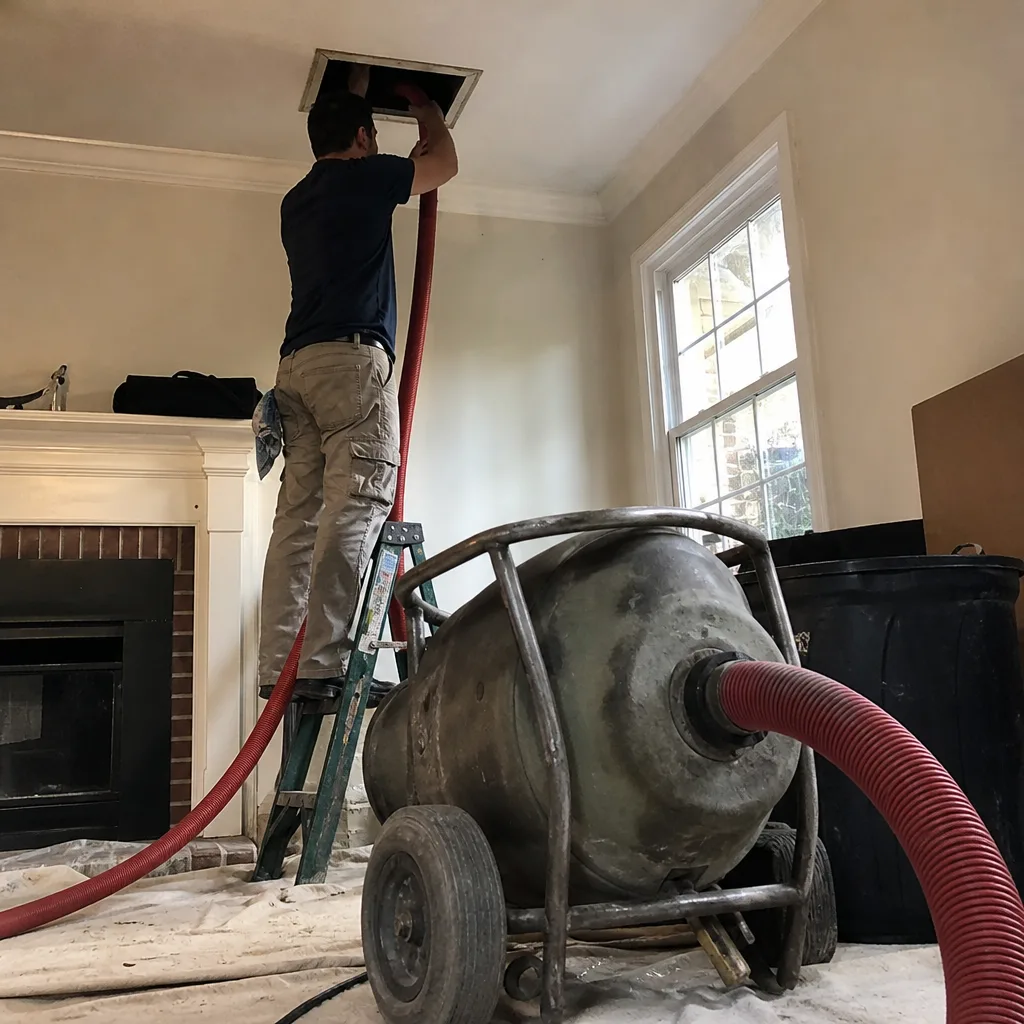 Before
 After
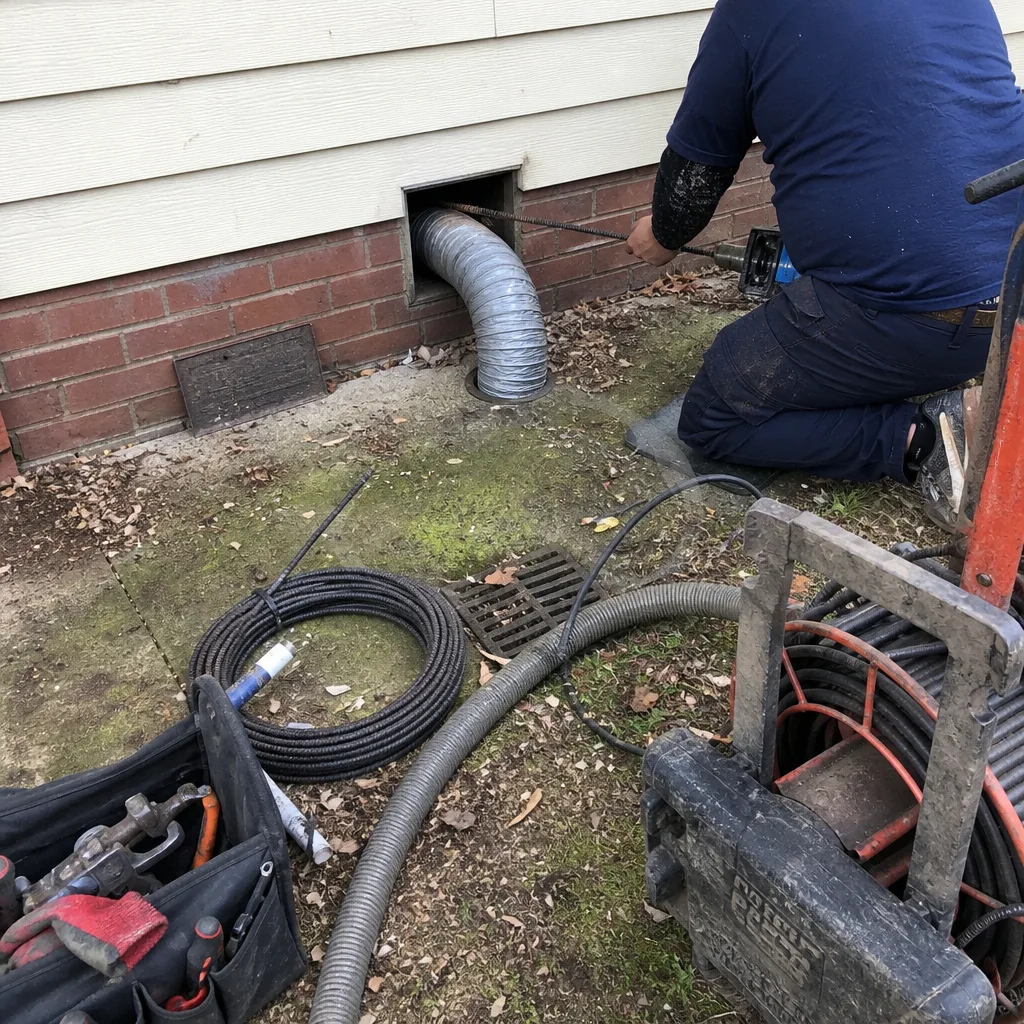 Before
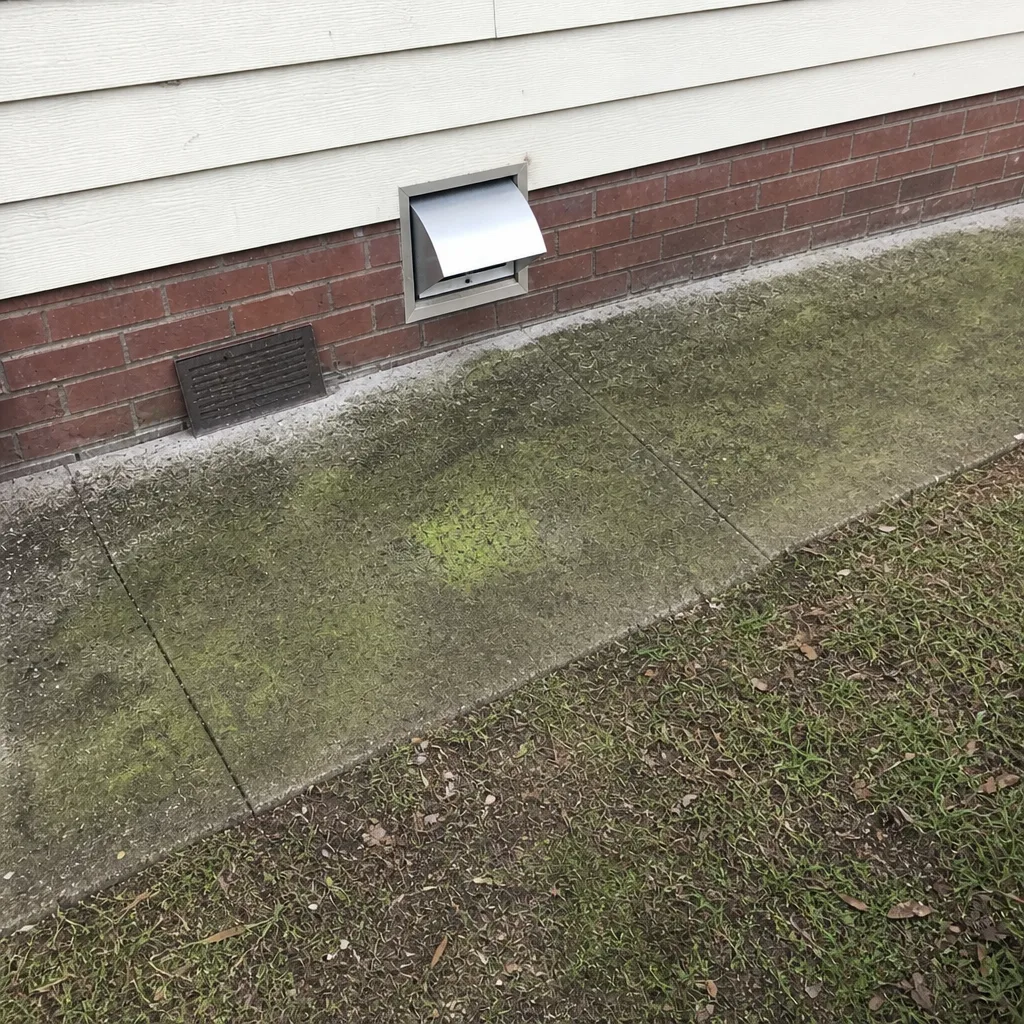 After
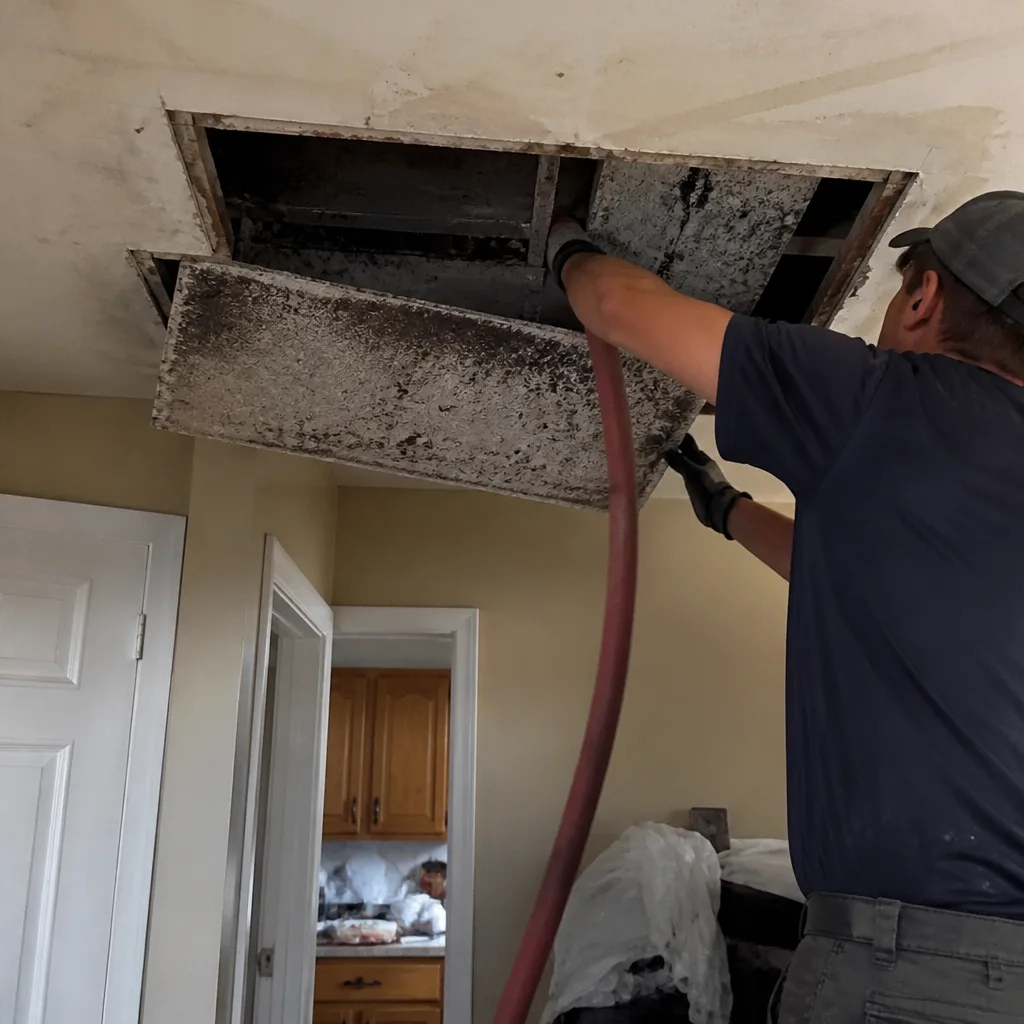 Before
 After
When to Call a Professional
Some things are worth timing yourself, and some aren’t. Call a professional when you find visible moisture in the ducts, wet or damp insulation, a disconnected or crushed duct run, or a musty smell that shows up on every startup. Call after a tropical storm or hurricane if any of those conditions appear. Call when a room won’t cool or heat evenly and the filter and air handler haven’t changed. Call when you’re planning a renovation – drywall dust and construction debris move into the duct system quickly, and a cleaning after the dust settles is the right sequence. And call if it’s been longer than two cleaning cycles since the last service and you’re seeing the signs.
Denali Air Duct Cleaning offers free estimates in Newport News – call (866) 942-7630. We answer 24/7. Fast dispatch from 7am to 7pm, Sunday through Friday. Every job is quoted as one flat price per system, agreed before work starts, with a written estimate as the final word on cost. Before-and-after photos of your own ducts are part of the service.
Frequently Asked Questions
Most air duct cleaning in Newport News runs in the range of $350 to $700 for a whole-home system, depending on the number of systems, duct condition, and whether repair work is included. Estimates are free, the price is set per system rather than per vent, and the written estimate determines the final cost. Call (866) 942-7630 for an exact quote.
Cheap quotes usually reflect one of three things: portable equipment rather than commercial-grade, a per-vent price that scales up as the technician counts vents on site, or a scope that doesn’t include containment. The first time the technician is on site isn’t the time to learn the final price. Ask specifically about equipment, per-vent versus per-system pricing, and containment before booking. A written estimate before work starts is the clearest protection.
Before-and-after photos of your own ducts are the most straightforward evidence. Ask any company you hire if they provide them. Beyond that, a professional job will visibly change filter loading, airflow, and odor within a day. If nothing changes, something was missed.
For most Newport News homes, every two to three years fits the local stress pattern. Homes with pets, a recent renovation, allergy concerns, or heavy tree cover nearby often benefit from a cleaning every two years. Homes on the lighter end – no pets, no recent construction, no allergy concerns – can usually stretch to three or four.
Only if you’ve confirmed no visible water, no wet insulation, and no disconnected duct runs. If any of those are present, running the system spreads moisture and debris through the home. Have the ducts inspected before normal operation resumes.
After. A new installation generates debris, dust, and sealant residue that end up in the system. Wait until installation is complete, then clean. Cleaning before installation is mostly wasted effort since the install work recontaminates the duct system.
Late October through November, or late February. Those are the two windows where pollen load is low, humidity is manageable, and the system isn’t running at peak. Cleaning outside those windows – especially in spring pollen season – means the system reloads quickly. Call (866) 942-7630 to get on the schedule.
The Bottom Line
Newport News duct care isn’t four equal seasons of work. It’s two cleaning windows – late October through November, and late February – chosen because they line up with what’s actually happening outside. Filter swaps follow the local pollen calendar: pine in February, oak and grass in April and May, ragweed in August, and a fresh filter before heating starts in November. Post-storm inspections cover moisture, insulation, and disconnections; switchover checks catch problems before they compound. If you’re covering a home in Newport News and want to know whether the system needs cleaning, repair, or just a filter change, or if you’re due for dryer vent cleaning while we’re at it, call (866) 942-7630. We answer 24/7. Fast dispatch from 7am to 7pm, Sunday through Friday. Estimates are free.
Written by the team at Denali Air Duct Cleaning.