
Last updated November 15, 2026
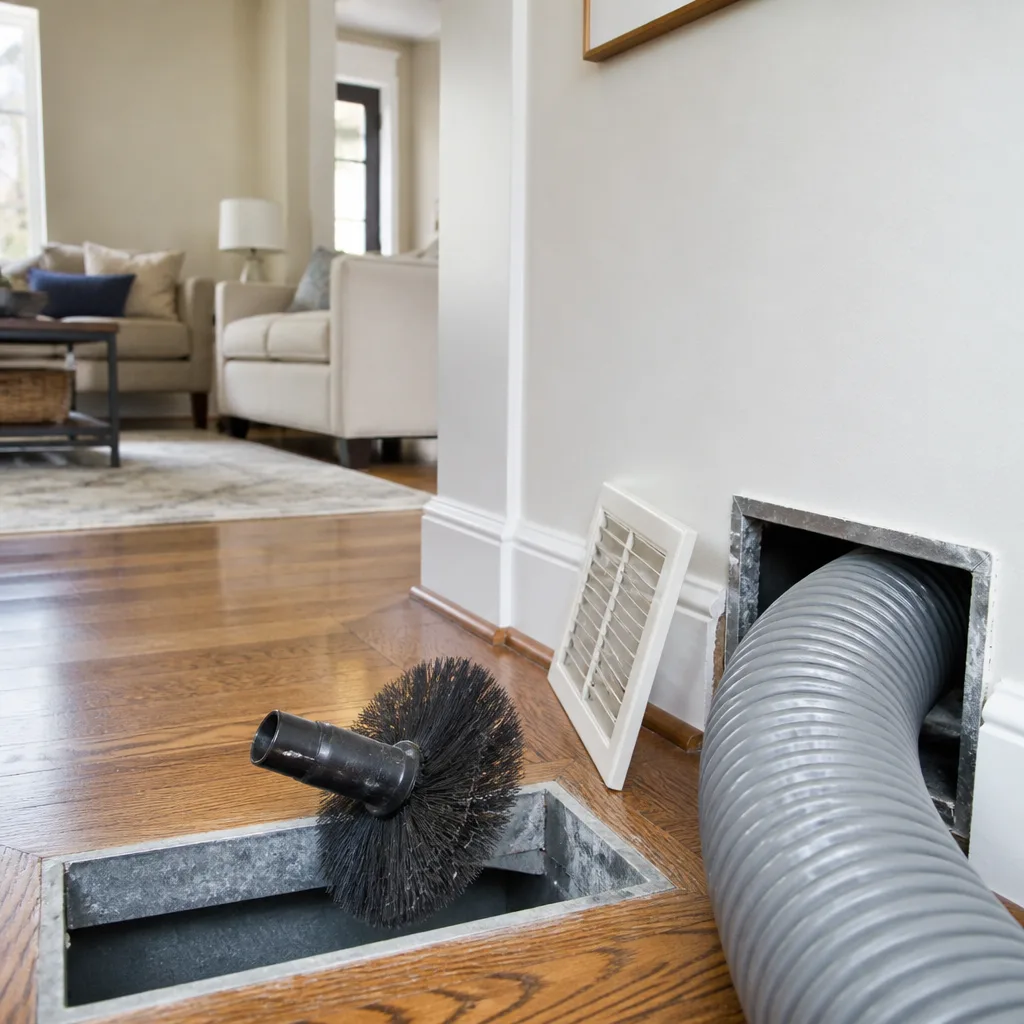 Whole-home duct cleaning
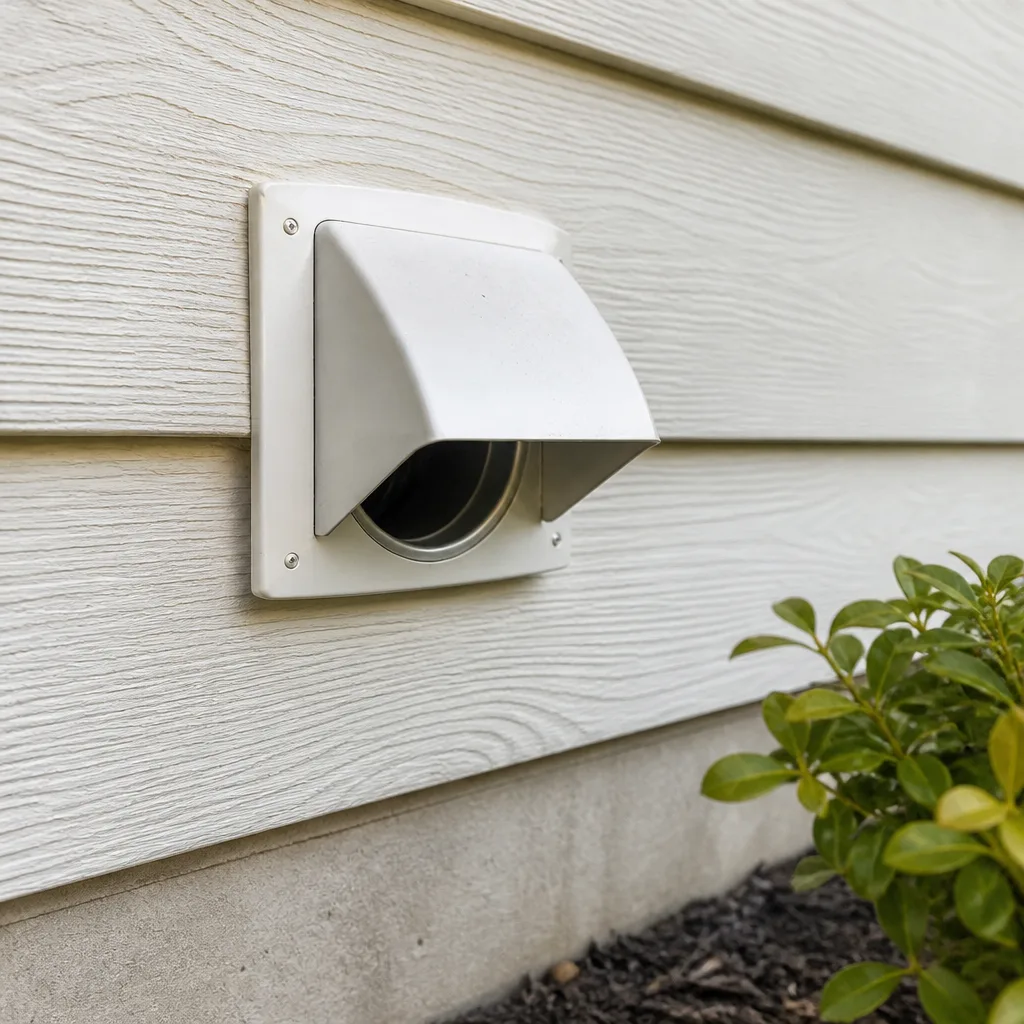 Dryer vent cleaning
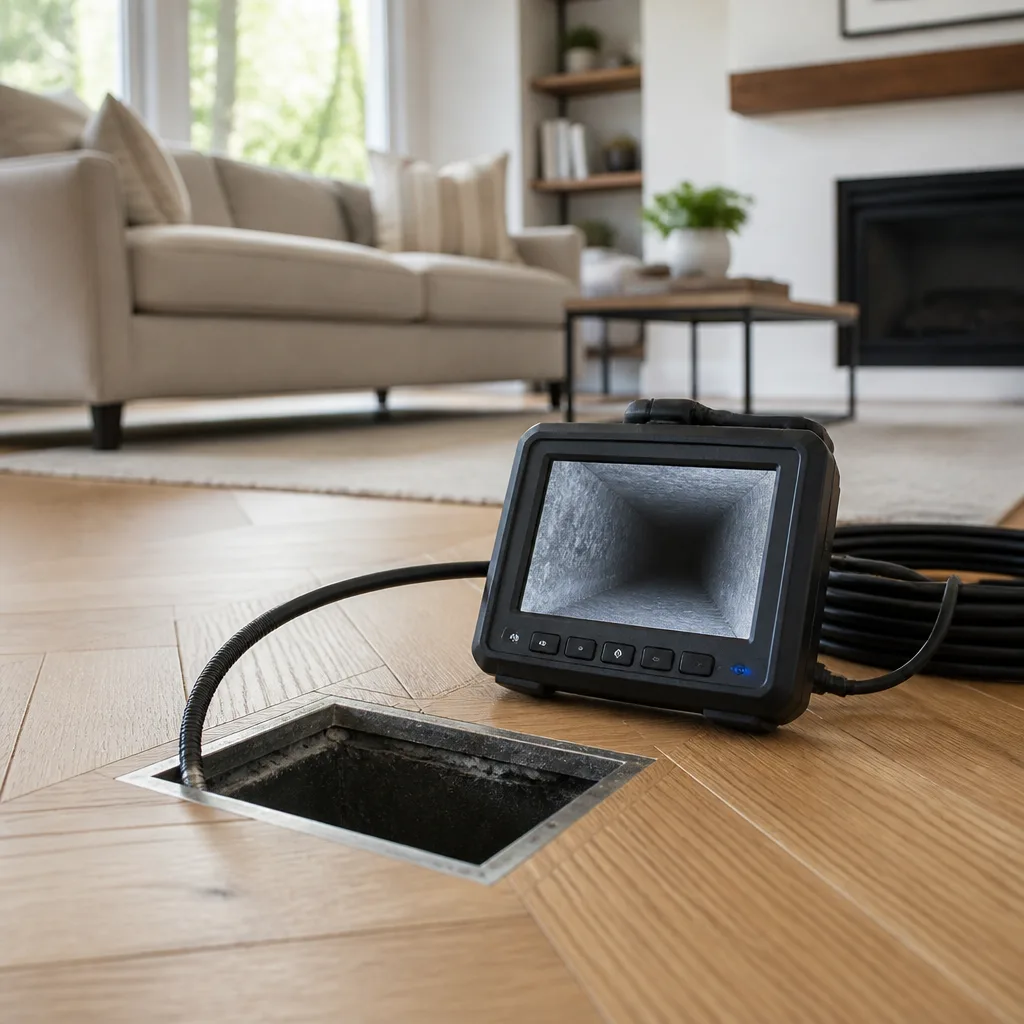 Camera inspection
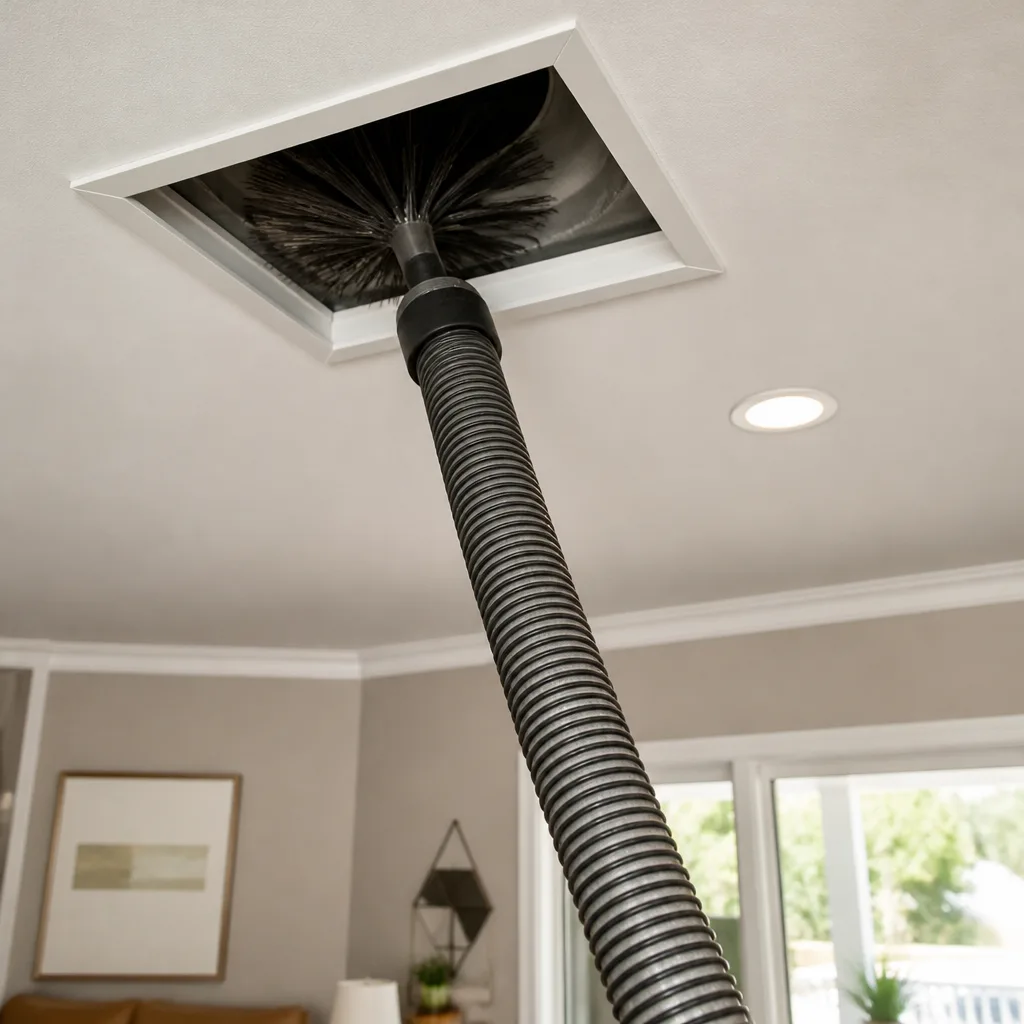 Sanitizing & deodorizing
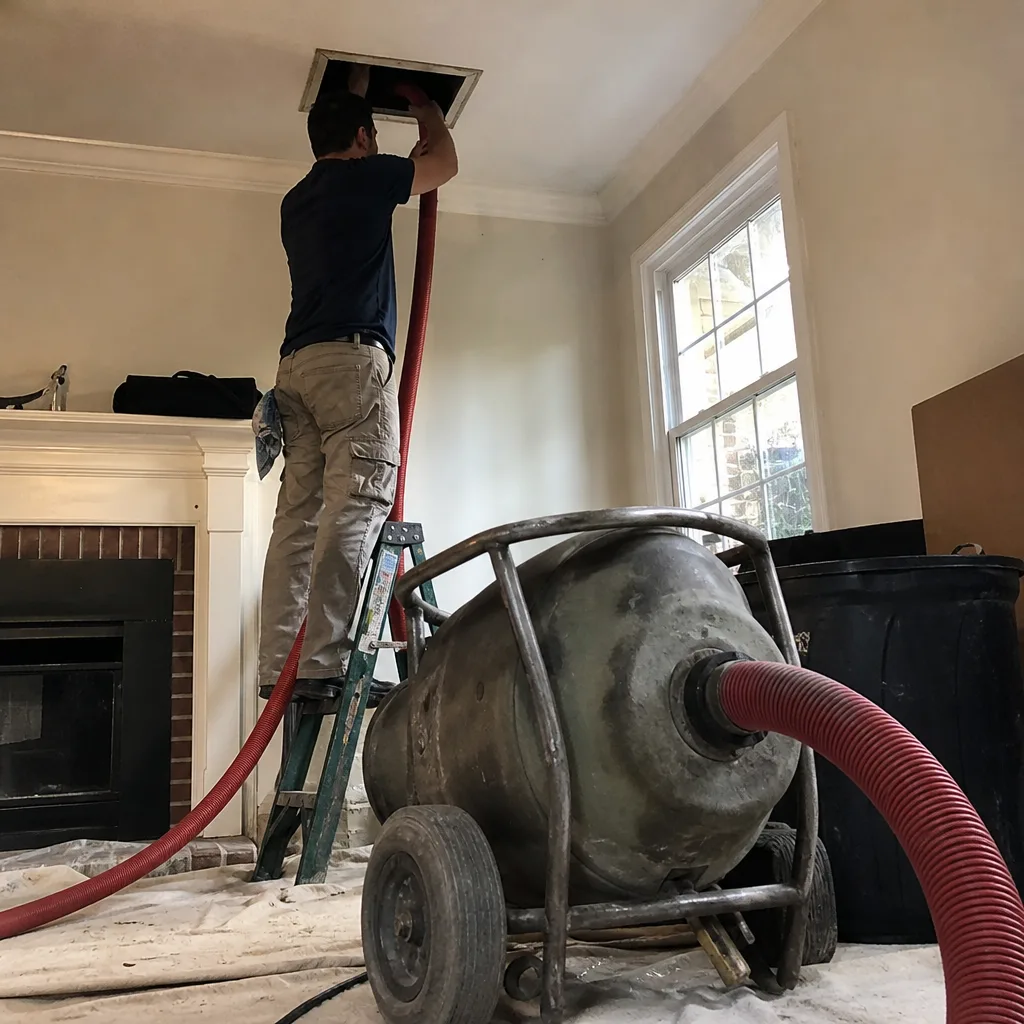
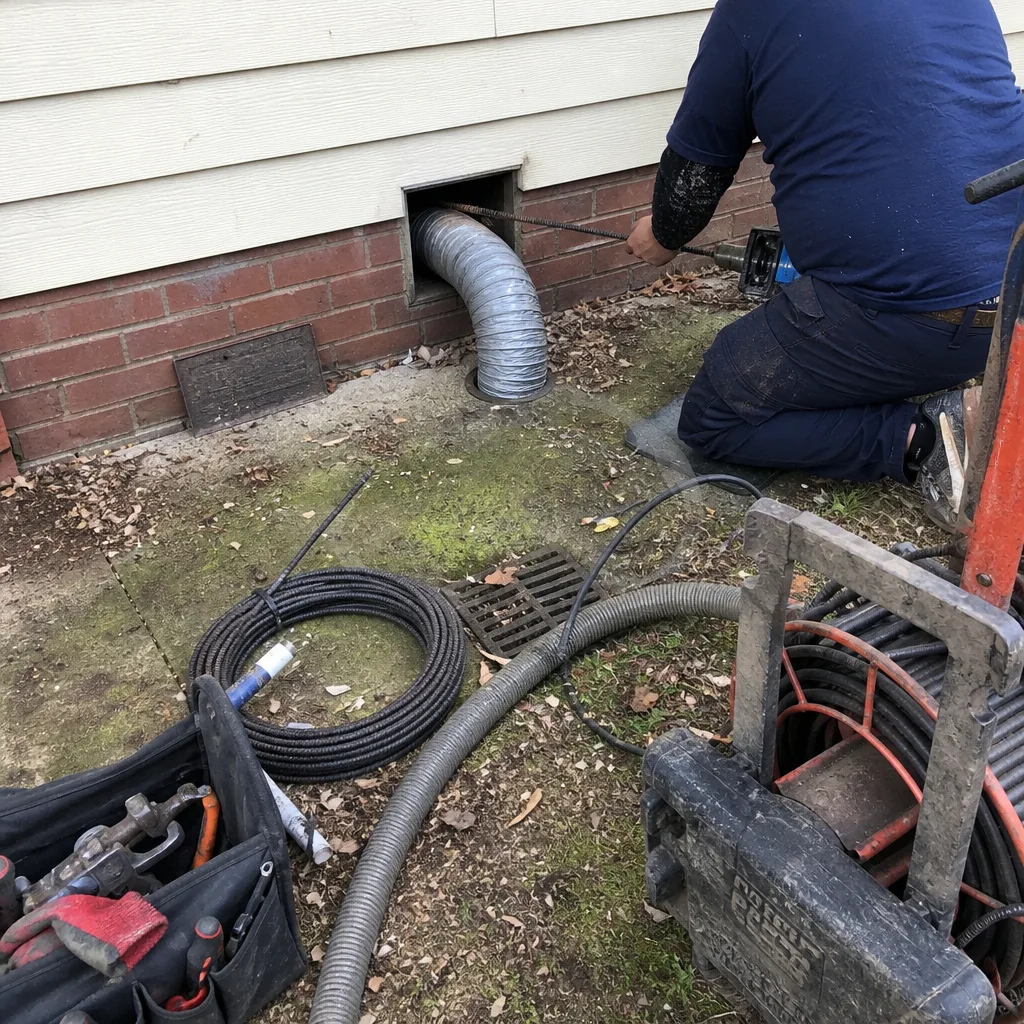
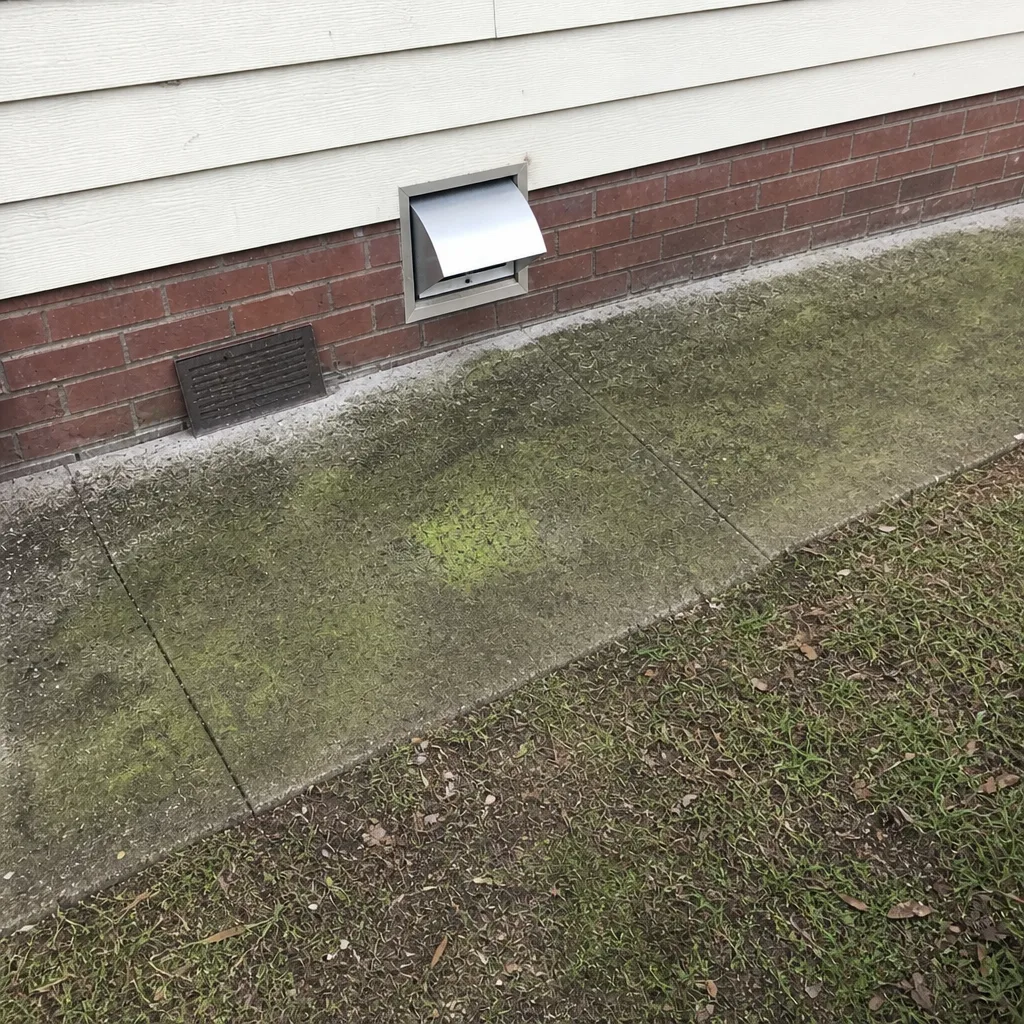
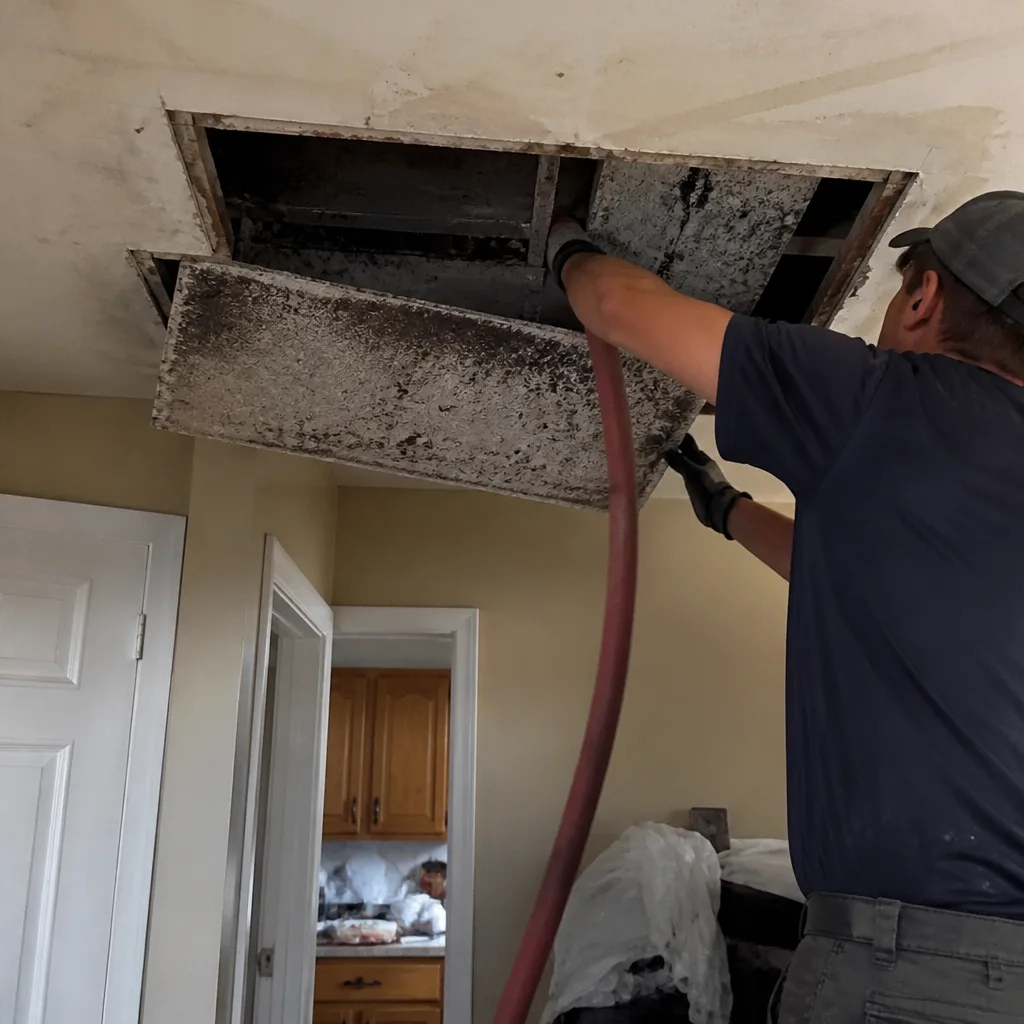
Whole-system duct and dryer vent check with before-and-after photos - you see exactly what came out of your vents
That "$99 whole-house special" is a bait ad - the real number appears once they are in your hallway, or the "clean" is a shop-vac at the register. We photograph the inside of your ducts before and after instead.
Air Duct Cleaning Emergency Preparedness Guide for Newport News Homes
Most homeowners in Newport News think about storm prep in terms of shutters, sandbags, and a generator. The duct system rarely makes the list. After Hurricane Isabel dropped 10 inches of rain on Newport News in 2003, the most common hidden damage in flooded homes wasn’t structural at all: it was moisture that had crept into return air plenums and crawl-space duct runs, sitting undiscovered until mold had already taken hold. This guide covers what to do with your HVAC and ducts before a named storm makes landfall, during the first critical hours after water intrusion, and through the insurance documentation that follows. You’ll get the sequence, the inspection order, and the decisions that protect both your air quality and your claim.
Quick Answer
In a hurricane impact zone like Newport News, duct system damage after a storm is almost always a moisture problem, not a debris problem. Before landfall, protect the outdoor condenser and seal duct access points. After any water intrusion, do not run your HVAC system until the ducts have been inspected, because a wet system distributes contamination through every room. Post-storm, inspect in this order: electrical first, mechanical second, duct interior third. Document everything with photos and a written inspection report for your insurer.
Styles & brands we work with
- Whole-home duct cleaning
- Dryer vent cleaning
- Camera inspection
- Sanitizing & deodorizing
Table of Contents
- Before the Storm: Protecting Ducts and Outdoor Equipment
- The 48-Hour Rule After Water Intrusion
- Assessing Crawl-Space Flex Duct After Flooding
- Post-Storm Inspection Sequence: Electrical, Mechanical, Then Duct Interior
- Documentation for Your Insurance Claim
- Newport News Humidity and Duct Health Year-Round
- When Duct Cleaning Is Part of Storm Recovery
- Common Mistakes to Avoid
Before the Storm: Protecting Ducts and Outdoor Equipment
Pre-storm preparation for your duct system isn’t about saving the ducts themselves from wind. It’s about preventing water from entering the places where it does the most damage quietly. In Newport News, the combination of wind-driven rain and low-lying neighborhoods means water can reach spaces you’d never expect: crawl-space return runs, exterior wall chases, and the return air plenum in a garage or utility closet.
Here’s what to do in the days before a named storm arrives.
- Cover the outdoor condenser unit. A fitted cover or a secured tarp keeps rain and wind-driven debris out of the fan and coil. Don’t wrap it so tightly that it traps moisture; the goal is keeping flying debris out, not sealing the unit airtight.
- Check duct access panels and grilles. Look at every return air grille and access door in the house. If a panel is loose or a grille is missing screws, water that gets into a wall cavity has a direct path into the duct system. Secure them before the storm.
- Seal crawl-space duct openings. If your ducts run through a crawl space, make sure the vapor barrier is intact and that any penetrations in the foundation wall where ducts pass through are sealed. Wind-driven rain can pool in a crawl space through even small gaps.
- Photograph the system before the storm. Take clear photos of your outdoor unit, all accessible duct runs, and the plenum area. This becomes your baseline for any insurance claim.
- Move anything stored on top of or against duct runs in the crawl space. Storage boxes pressed against flex duct can crush it or hide damage later.
None of this takes more than an afternoon. What it buys you is a system that’s ready if water gets in, and a documented baseline if you need to prove what the storm did. For a deeper look at routine duct maintenance outside of storm season, see our guide to air duct cleaning.
The 48-Hour Rule After Water Intrusion
If water has entered your home or crawl space, the first 48 hours determine how much of your duct system survives. Running the HVAC system during that window is the single most common mistake we see after flooding in Newport News. Here’s why it matters so much.
When a duct system is wet, running the fan does two damaging things. It pushes humid air across a cold evaporator coil, which accelerates mold growth on the coil and in the duct interior. And it distributes that moisture-laden, potentially contaminated air into every room connected to the system, spreading the problem well beyond the area that got wet.
Here’s the sequence to follow.
- Shut the system off at the thermostat and the breaker. Don’t rely on the thermostat alone if the system has been near standing water.
- Get any standing water out of the crawl space and living areas. Pumps, wet vacuums, and dehumidifiers start now. The faster the ambient humidity drops, the less moisture the ducts soak up through their insulation.
- Do not run the system to “dry it out.” This sounds counterintuitive, but a running system doesn’t dry ducts; it recirculates moisture. Ambient airflow and dehumidification do the drying.
- Schedule a duct inspection before powering the system back on. A professional inspection finds the water intrusion, checks for saturated insulation, and confirms whether the system is safe to restart.
The 48-hour window is about preventing contamination from settling in. A duct system inspected and dried early is far more likely to be salvageable than one that sat wet for a week. If you’ve had water intrusion and you’re in the Newport News area, calling for an inspection before restarting the system is the right first move.
Assessing Crawl-Space Flex Duct After Flooding
Crawl-space duct runs are the most vulnerable part of a Newport News home’s duct system during a storm, and they’re the part homeowners see least. Flexible duct in a crawl space sits low, close to the ground, often below the flood line. After any water exposure, you need to know which sections are salvageable and which must be replaced.
Here’s what determines that.
- Insulation saturation. Flex duct has an insulated outer layer. Once that insulation is soaked through, it won’t dry effectively in a crawl space’s humidity. Saturated insulation is a replacement item, not a cleaning item.
- Joint separation. Water movement and debris can pull duct joints apart. Look at every connection between flex runs and the trunk line. A separated joint leaks conditioned air into the crawl space and pulls crawl-space air into the system.
- Interior moisture. Even if the outer insulation looks dry, the inner liner can hold moisture. This is where a professional inspection with proper equipment earns its keep; the inner condition isn’t visible from the outside.
- Visible organic growth. Any sign of growth inside the duct is a replacement recommendation, full stop. Cleaning a compromised run doesn’t solve the problem.
- Compression and crushing. Ducts that were crushed by fallen debris or stored items won’t recover their shape. A crushed run needs replacing to restore airflow.
The firm rule: if the insulation is saturated or the liner shows growth, replace the run. If the duct is dry inside and out and the joints are intact, it can often be cleaned and returned to service. Denali Air Duct Cleaning offers Air Duct Repair as a core service, which means the same visit that finds a separate joint or a collapsed run can address it rather than just noting it on a clipboard. Technicians with up to 11 years of experience can diagnose compromised ductwork and fix it on the spot.
Post-Storm Inspection Sequence: Electrical, Mechanical, Then Duct Interior
After a storm has passed and the water has started to recede, the urge is to check everything at once. The correct approach is a sequence, and the order is not arbitrary. Inspecting by sequence protects both the inspector and the system.
Here’s why the order matters.
- Electrical first. Before anything mechanical or duct-related gets touched, confirm the electrical system is safe. Water and electricity are a fatal combination, and an HVAC system involves both the electrical panel and the equipment itself. A trained professional verifies the electrical side is dry and safe before mechanical work begins. This is not a step to shortcut.
- Mechanical second. Once electrical is cleared, inspect the mechanical components: the air handler, the blower, the coil, and the system controls. Water in the air handler or on the coil means the system isn’t safe to run, regardless of duct condition.
- Duct interior third. Only after electrical and mechanical are confirmed safe does the duct interior get inspected. At that point, the technician checks for moisture, contamination, and joint integrity throughout the accessible runs.
This sequence matters because a duct inspection performed before the electrical and mechanical checks might declare the ducts “fine” while the air handler sitting next to them is full of water. The whole system has to be evaluated as a system.
When inspection does reach the duct interior, the equipment used makes the difference between a surface pass and a real assessment. Commercial-grade machinery in your home, like the Rotobrush rotary-brush system and Nikro HEPA-rated vacuums, agitates loose debris and captures it at the source rather than just moving it around. Abatement Technologies negative-air equipment holds the work area to remediation-grade containment standards, which matters a great deal in a post-storm home where you don’t want disturbed contamination migrating into the living space.
Documentation for Your Insurance Claim
Storm damage claims involving HVAC and duct systems hinge on documentation. If your policy covers the water damage, your adjuster needs to see what was damaged, how, and to what extent. What many Newport News homeowners discover is that the claim gets complicated because the damage to the ducts was never properly documented before repairs began.
Here’s what a claim needs.
- Baseline photos. Those pre-storm photos you took become critical here. They show the condition before the event.
- Post-storm photos of the damage itself. Standing water in the crawl space, saturated insulation, separated joints, visible moisture in the duct runs.
- A written professional inspection report. This is the piece most homeowners are missing. An inspection report that documents the condition of each run, identifies which sections are salvageable and which need replacement, and explains the moisture findings gives your adjuster a clear technical basis for the claim.
- Invoices for any emergency mitigation. Water extraction, dehumidification, and emergency duct work should be documented as separate line items.
- Before-and-after photos of the work performed. If cleaning or repair is part of the recovery, having photos of the actual system before and after supports the claim and protects you if the scope is ever questioned.
We can work with your insurer, and a written inspection report prepared by a professional is the document that makes a duct-related claim credible. An adjuster evaluating a duct claim without a technical report has to guess, and guessing tends to work against the homeowner. Get the report before the repairs are completed.
Newport News Humidity and Duct Health Year-Round
Newport News sits in a climate where summer humidity stays high for months, and that matters for your ducts well beyond hurricane season. A duct system in a humid climate is under constant load; the moisture in the air finds its way into crawl-space runs and return plenums, and the conditions that support organic growth are present for a large part of the year.
What this means in practice.
- Humidity control is duct protection. A dehumidifier running in a damp crawl space reduces the moisture load the ducts absorb. It’s not a hurricane preparation task; it’s a year-round defense.
- Condensation on supply runs is a signal. If you see condensation on duct work in summer, that’s a sign of an insulation problem or a humidity problem, and both are worth investigating before they become a growth problem.
- Return air plenums are high-risk spots. A plenum in a garage or utility closet draws air from a space that’s often damper than the house. Sealing the plenum properly is one of the most effective things you can do for indoor air quality.
- Air-quality upgrades can extend the value of a cleaning. Familiarity with Aprilaire and Honeywell air-quality solutions means that after a duct cleaning, we can discuss and install filtration and humidity-control products that address the conditions that make ducts unhealthy in the first place.
A house in Newport News that stays dry stays healthy. The duct system is where that either works or doesn’t. If you’re not sure what condition your system is in after a storm season, a professional inspection gives you a real answer instead of a guess.
When Duct Cleaning Is Part of Storm Recovery
Not every storm-exposed duct system needs cleaning, and cleaning isn’t a substitute for repair or replacement. Sorting out which situation applies to you is the point of a professional assessment. Here’s how the decisions break down.
- Water intrusion but ducts stayed dry. Cleaning is typically not the priority. The priority is confirming no moisture reached the ducts and that the system’s mechanical components are sound.
- Debris intrusion. Wind-driven debris, insulation fibers, and construction dust from storm repairs can end up in the duct system. Cleaning removes it; replacement doesn’t apply unless the ductwork itself is compromised.
- Saturated flex duct in the crawl space. Replacement, not cleaning. Saturated insulation doesn’t dry effectively in a crawl space’s humidity and is a growth risk.
- Contamination inside a run that’s otherwise structurally sound. Cleaning with commercial-grade equipment is the right call, followed by a moisture assessment to prevent it from recurring.
- Compromised ductwork (separated joints, crushed runs). Repair first, then assess whether cleaning is needed.
For a full picture of what a professional cleaning and assessment involves year-round, see Denali Air Duct Cleaning’s overview at Denali Air Duct Cleaning. Dryer vents are also a storm-season consideration; the same wind-driven debris and moisture that affects ducts can compact lint in a dryer vent cleaning, and that’s a fire-prevention service, not optional maintenance.
Common Mistakes to Avoid
- Running the HVAC system right after water intrusion. This is the most damaging mistake in a post-storm recovery. A running system with wet ducts pushes moisture and contamination into every room it serves. Turn it off and get an inspection first.
- Skipping the electrical check before touching the mechanical or duct system. The inspection order isn’t a formality. Electrical has to clear first, then mechanical, then duct interior. Getting the order wrong introduces real safety risk.
- Assuming a dry-looking duct is a dry duct. The inner liner of flex duct can hold moisture long after the outer insulation looks fine. In Newport News’s humidity, that inner moisture is the part that matters most, and it takes professional equipment to find it.
- Attempting to dry out ducts by running the fan. This spreads moisture rather than removing it. Ambient airflow and dehumidification do the drying.
- Cleaning ducts that should be replaced. Saturated insulation and visible organic growth are replacement signals in a crawl-space run. Cleaning a compromised duct doesn’t fix the problem.
- Starting repairs before the insurance documentation is complete. Once the damaged material is removed, the claim loses its evidence. Photograph and document before anything gets pulled out or cleaned.
- Forgetting the dryer vent in storm preparation. A storm that pushes debris into a dryer vent compacts lint and reduces safe airflow. It’s worth checking alongside the duct system.
See the difference
 Before
 After
 Before
 After
 Before
 After
When to Call a Professional
There are specific situations in Newport News where the right answer is a professional inspection, not a copy of a DIY guide. Call a professional if water has entered your crawl space or living area and you’re not certain your duct system stayed dry. Call if you ran the HVAC after water intrusion and need to know whether contamination has spread. Call if the ducts are more than a few years old and you’ve never had them inspected. Call if you can see separated joints, crushed runs, or saturated insulation in the crawl space. Call if your insurance adjuster has asked for a technical report on duct condition. Call if you’re seeing a musty odor, a rise in allergy symptoms, or a system that isn’t moving air the way it should. Denali Air Duct Cleaning offers free estimates in Newport News. Call (866) 942-7630. We answer 24/7. Fast dispatch from 7am to 7pm, Sunday through Friday.
Frequently Asked Questions
Not automatically. A duct cleaning is warranted after a storm if debris or dust made its way into the system, if humidity pushed moisture into crawl-space runs, or if a renovation or repair generated construction dust. If your home stayed dry and the system is working normally, a professional inspection tells you whether cleaning is actually needed. Call (866) 942-7630 for a free estimate and an honest assessment.
No. Running the HVAC system before a duct inspection is one of the most damaging things you can do after water intrusion. A running system distributes moisture and contamination through every room connected to the ducts, and it can accelerate growth on a wet coil and in the duct interior. Leave the system off until it’s been inspected. Call (866) 942-7630 to schedule an inspection before you power it back on.
Growth conditions develop quickly in a wet duct system, which is why the 48-hour window matters so much. Saturated insulation in crawl-space flex duct holds moisture and creates the conditions for growth within days, and that’s before Newport News’s ambient humidity factors in. The practical answer is not to wait for a timeline: if the ducts were exposed to water, get them inspected and dried as soon as possible. Call (866) 942-7630.
Coverage depends on your policy and whether the duct damage was caused by a covered event. Most policies that cover the water damage itself will consider related HVAC and duct damage, but the claim lives or dies on documentation. A written professional inspection report documenting the condition of each run, what’s salvageable, and what needs replacement is what your adjuster needs. We can work with your insurer, and we document the work with before-and-after photos of your own ducts. Call (866) 942-7630 for an estimate.
Check for standing water and for any visible moisture on the duct runs, then get the area dried out. Don’t run the HVAC system to dry it. If water reached the crawl space, the ducts need a professional inspection for saturated insulation, joint separation, and moisture in the inner liner, and that inspection should follow the electrical and mechanical checks, not precede them. Call (866) 942-7630 to get an inspection scheduled.
It depends on what the inspection finds. A structurally sound duct with debris or dust inside needs cleaning. A duct with saturated insulation, separated joints, or crushed runs needs repair or replacement. Many post-storm jobs in Newport News involve both: repair of the compromised runs, then cleaning of the rest of the system. Because we clean it and, if needed, fix it, the assessment and the fix happen together rather than in two separate visits. Call (866) 942-7630 for a free estimate.
The Bottom Line
Storm recovery for a Newport News home runs on three rules. Protect the system before landfall by securing access points, covering the outdoor unit, and documenting the baseline condition. Don’t run the HVAC after water intrusion until the duct system has been inspected, because a wet system spreads contamination through the whole house. And inspect in order: electrical, mechanical, then duct interior, because the whole system has to be evaluated as a system. Document everything for your insurer. Saturated or compromised ductwork gets replaced; dry, structurally sound ductwork gets cleaned. Get the inspection before the repairs, and let the findings drive the decision.
Written by the team at Denali Air Duct Cleaning.